How to Load Master Data From ECC in SAP BI/BW

โšก Smart Summary

Loading master data from ECC into SAP BW creates a generic DataSource for the text, attribute, or hierarchy, builds a transformation to the target InfoObject, and runs an InfoPackage and data transfer process to load the records.
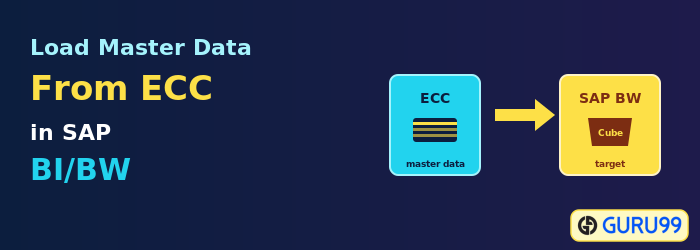
  • ๐Ÿท๏ธ Master Data: Texts, attributes, and hierarchies that describe characteristics are loaded from ECC.
  • ๐Ÿ”ง Generic DataSource: A generic DataSource on a table or view extracts the master data from ECC.
  • ๐Ÿ” Transformation: A transformation maps the DataSource fields to the target InfoObject.
  • ๐Ÿ“ฆ InfoPackage to PSA: An InfoPackage loads the data into the PSA staging layer.
  • โžก๏ธ Data Transfer Process: A DTP moves the data from PSA into the InfoObject text or attribute.
  • ๐Ÿค– AI Assistance: AI improves master data quality by detecting duplicates and inconsistencies.

Load Master Data from ECC in SAP BI/BW

What is Master Data Loading from ECC?

Master data describes business entities such as customers, materials, and cost centers through attributes, texts, and hierarchies. Loading master data from ECC into SAP BW creates a generic DataSource for the data, builds a transformation to the target InfoObject, and runs an InfoPackage and data transfer process to load the records.

Step 1: Create a Generic DataSource for the Text InfoObject

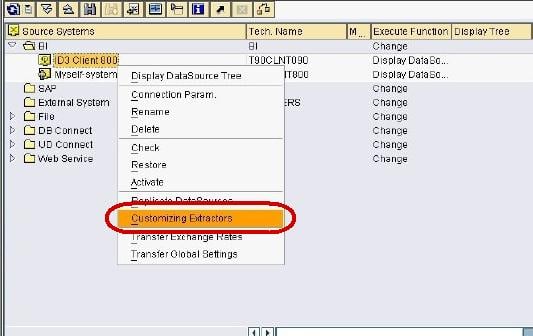
Right click on the BI Source System -> Customizing Extractors.
Load Master Data from ECC in SAP BI/BW

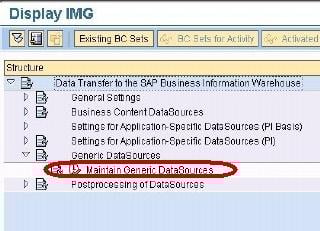
In the next screen, click on Maintain Generic DataSources.
Load Master Data from ECC in SAP BI/BW

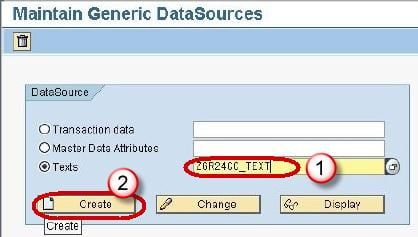
In the next screen:

  1. Type a technical name for the text.
  2. Click the Create button.

Load Master Data from ECC in SAP BI/BW

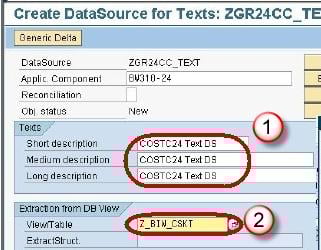
In the next screen:

  1. Enter the Short, Medium, and Long Description.
  2. Enter the View/Table name.

Load Master Data from ECC in SAP BI/BW

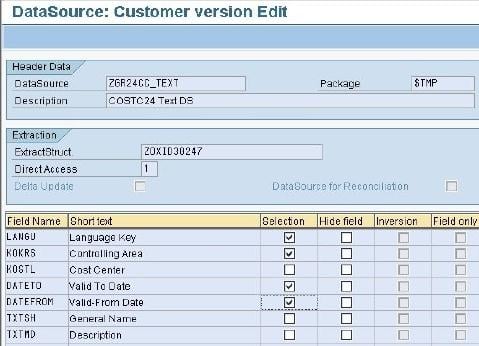
Press the Enter button. The below screen is displayed.
Load Master Data from ECC in SAP BI/BW

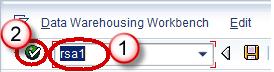
Now:

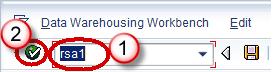
  1. Go to transaction code RSA1.
  2. Click the OK button.

Load Master Data from ECC in SAP BI/BW

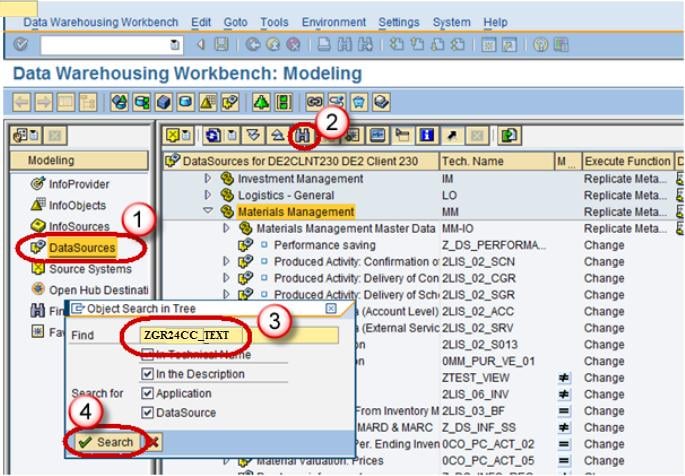
In the next screen:

  1. Go to the DataSource tab.
  2. Click Find.
  3. Type the DataSource technical name.
  4. Click the Search button.

Load Master Data from ECC in SAP BI/BW

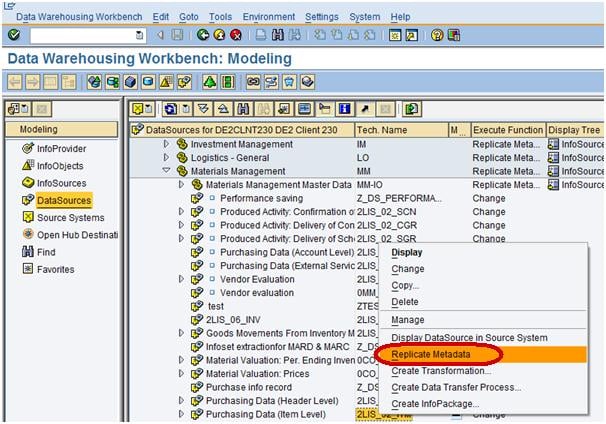
Next, from the DataSource ZGR24CC_TEXT, right click Replicate Metadata as shown below. Activate the DataSource.
Load Master Data from ECC in SAP BI/BW

Step 2: Create a Transformation (DataSource to InfoObject Text)

  1. Go to transaction code RSA1.
  2. Click the OK button.

Load Master Data from ECC in SAP BI/BW

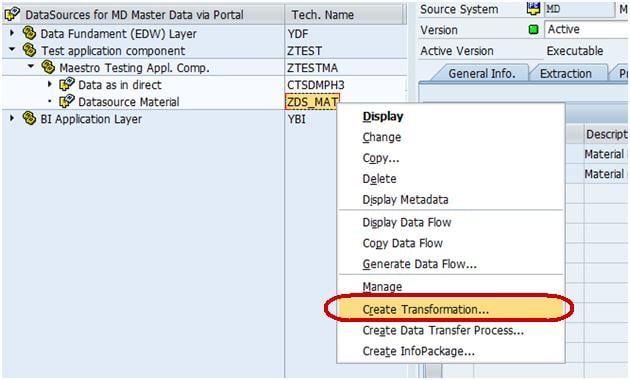
In the next screen, right click on the DataSource -> Create Transformation.
Load Master Data from ECC in SAP BI/BW

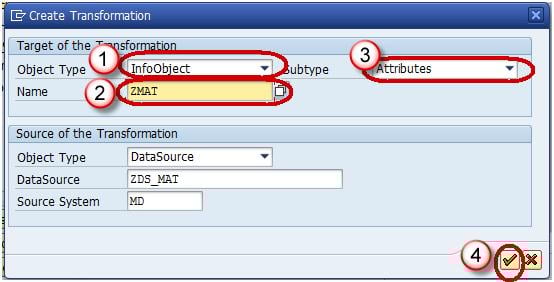
In the next screen:

  1. Enter the Target Object Type.
  2. Enter the Target Object Name.
  3. Enter the SubType. Choose Text.
  4. Click Continue.

Load Master Data from ECC in SAP BI/BW

The transformation is created with automatic mapping of the source fields to the target fields.

Step 3: Create an InfoPackage and Schedule the Load to PSA

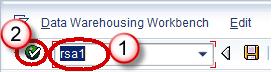
  1. Go to transaction code RSA1.
  2. Click the OK button.

Load Master Data from ECC in SAP BI/BW

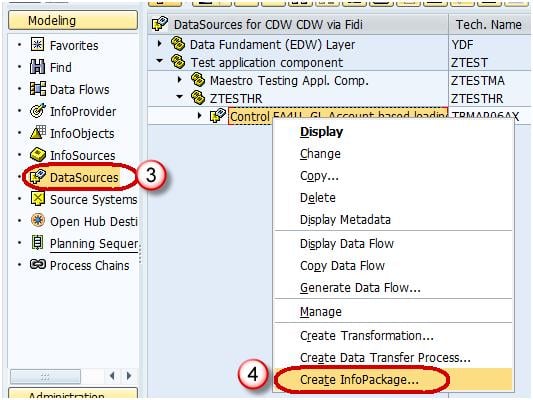
  1. Navigate to the Modeling tab -> DataSources.
  2. Right click on the DataSource -> Create InfoPackage.
Load Master Data from ECC in SAP BI/BW

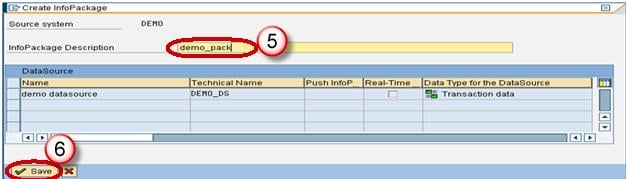
  1. Enter the InfoPackage description.
  2. Click Save.

Load Master Data from ECC in SAP BI/BW

  1. Click on the Schedule tab.
  2. Click the Start button to start the load to the DataSource (PSA).

Load Master Data from ECC in SAP BI/BW

Step 4: Create a Data Transfer Process

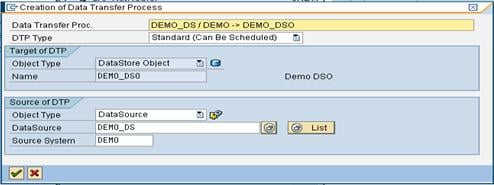
Right click on the DTP folder and choose the option “Create Data Transfer Process” from the context menu.

Load Master Data from ECC in SAP BI/BW

The below screen shows the DTP created.
Load Master Data from ECC in SAP BI/BW

Step 5: Load Data to the InfoObject Text

  1. Click the Execute tab in the DTP.
  2. Click the Execute button to start the data load from the DataSource (PSA) to the InfoObject Text.

Load Master Data from ECC in SAP BI/BW

FAQs

Master data describes business entities and changes rarely, such as customer names, material attributes, and hierarchies. Transaction data records business events over time, such as orders and goods movements. Master data gives context to transaction data in reports.

A generic DataSource, created in transaction RSO2, extracts data from a database table, view, SAP query, or function module when no standard business content DataSource exists. It is commonly used to load custom master data attributes and texts into BW.

Master data in BW has three types: attributes (additional properties of a characteristic), texts (short, medium, and long descriptions), and hierarchies (parent-child structures). Each type can be loaded separately from ECC or a flat file.

Yes. AI in SAP Master Data Governance detects duplicates, validates records, and proposes corrections, while the SAP Joule AI copilot answers configuration questions. This intelligent support improves master data accuracy before it is loaded into BW.

Machine learning matches similar records to flag duplicates, fills missing attributes from patterns, and detects outliers that suggest errors. This intelligent cleansing raises the consistency and trust of master data used across reports.

Summarize this post with: