
How To Load Master Data From Flat File in SAP BI/BW
 Jessica Blake
⚡ Smart Summary
Load master data from a flat file in SAP BI/BW by configuring a flat file source system, creating a DataSource, transformation, DTP, and InfoPackage. The structured workflow ensures clean attribute mapping, validated extraction, and reliable loading into InfoObjects.
Load Master Data From Flat File
Master data loading in SAP BI/BW is a foundational task for analytical reporting. In this walkthrough, you will learn how to load master data into an InfoObject from a flat file using a clear, repeatable workflow.
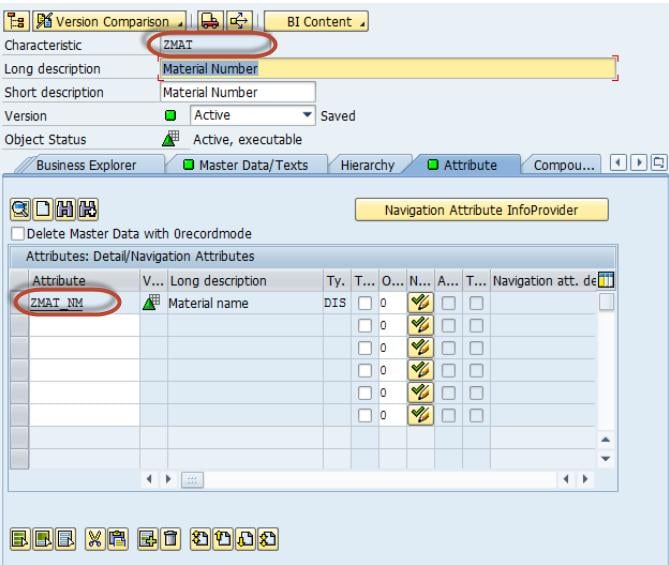
We will learn the load with the help of a scenario: Load master data into InfoObject ZMAT (Material Number), which has the attribute ZMAT_NM (Material Name). Below are detailed steps to load data into the master data InfoObject from a flat file.
Step 1: Create a Source System for the Flat File
The first stage is to register a flat file source system so SAP BI can recognize where the incoming data originates.
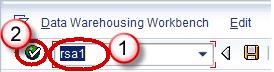
- Go to transaction code RSA1.
- Click the OK button.
In the next screen:
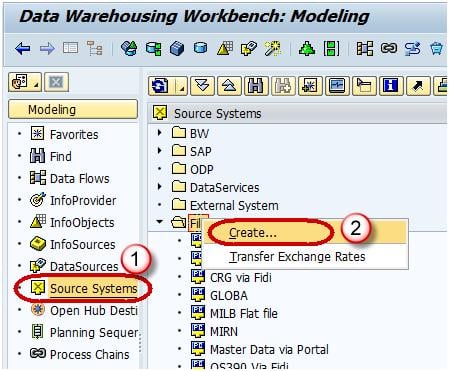
- Navigate to Modeling tab > Source Systems.
- Right-click on the folder named FILE and choose “Create” from the context menu.
On the next screen:
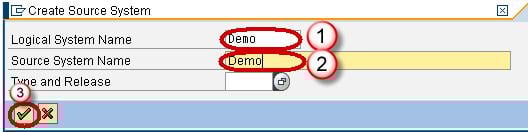
- Enter the Logical System Name.
- Enter the Description.
- Click Continue.
Step 2: Create an Application Component
Application Components organize DataSources logically. Define one before creating the DataSource so the flat file load is grouped sensibly.
- Navigate to Modeling tab > Data Sources.
- Choose the Source System you just created.
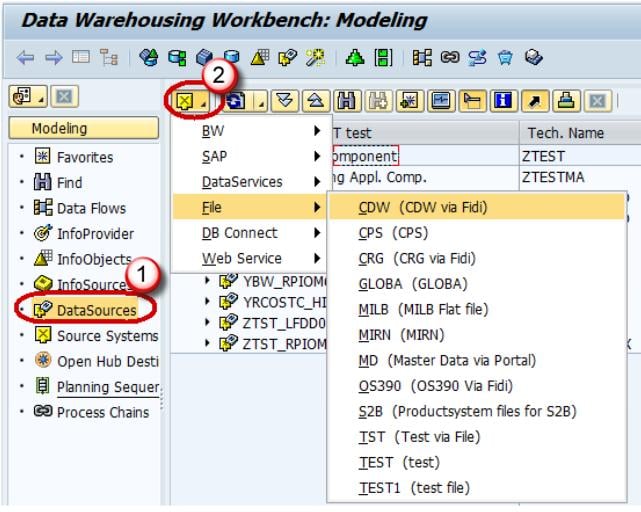
- Right-click and select Create Application Component.
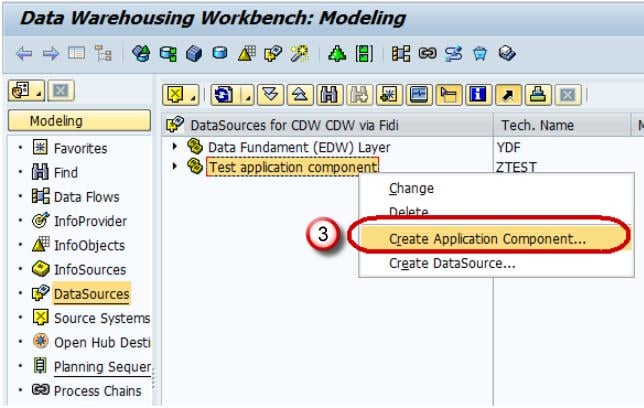
- Enter the Technical Name.
- Enter the Description.
- Click Continue.

Create the DataSource
Next, create a DataSource under the Application Component to hold the incoming flat file structure.
- Navigate to Modeling tab > Data Sources.
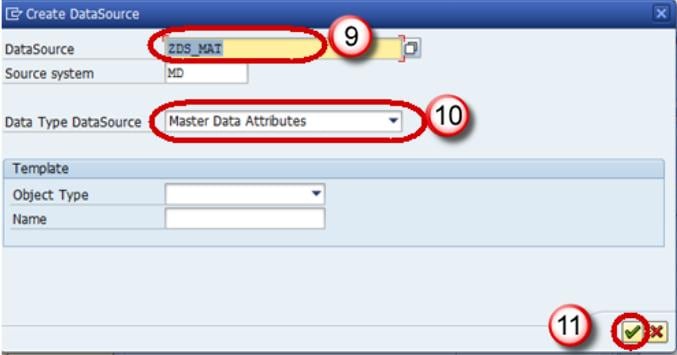
- Right-click and select Create Data Source.
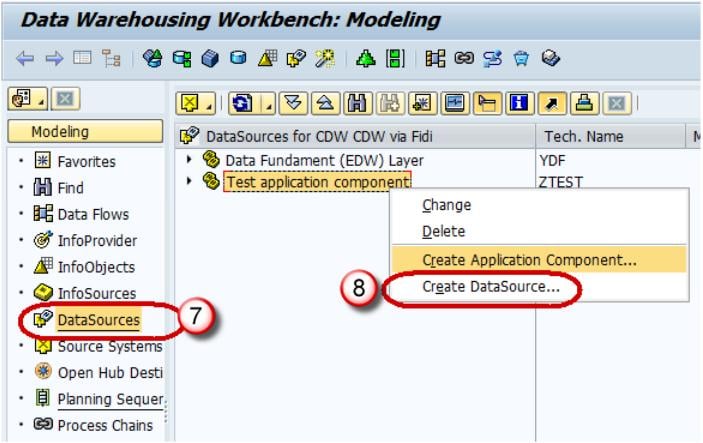
- Enter the Technical Name.
- Choose the DataType for the DataSource.
- Click Continue.
- Enter the fields shown below. This structure should match the DSO to which transaction data will be loaded.

- In the Extraction tab, choose the Adapter as “Load Text-Type File from Local Workstation”.
- Choose the file path where the flat file is placed, then activate the DataSource.
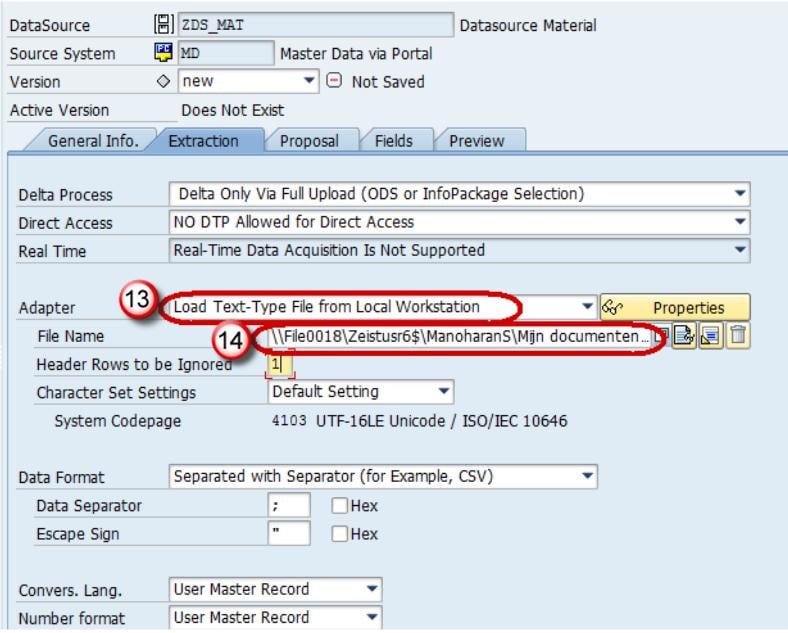
Click Save.
Step 3: Create Transformation Between DataSource and InfoObject Attribute
The transformation defines how source fields map to the target InfoObject attributes. SAP BI auto-suggests mappings when field names align.
Right-click on the DataSource and select Create Transformation.
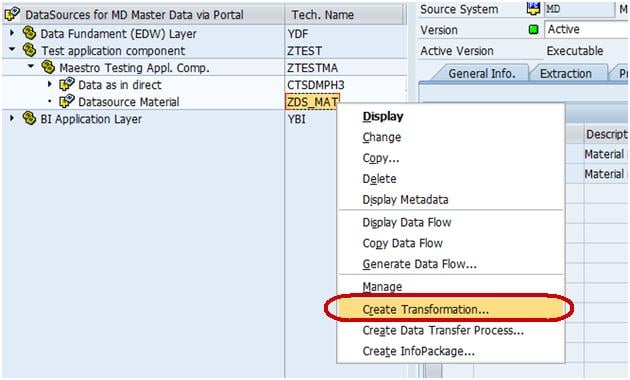
On the next screen:
- Enter the Target Object Type.
- Enter the Target Object Name.
- Enter the SubType.
- Click Continue.
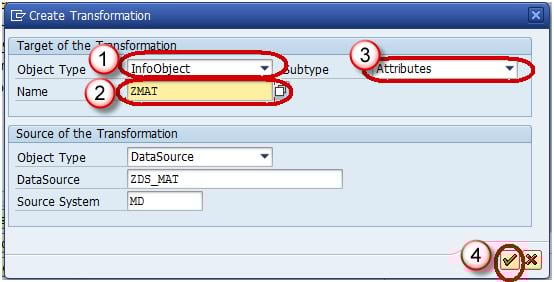
The transformation is created with automatic mapping of the source fields to the target fields.
Create the Data Transfer Process (DTP)
A DTP transfers records from the PSA into the active data target.
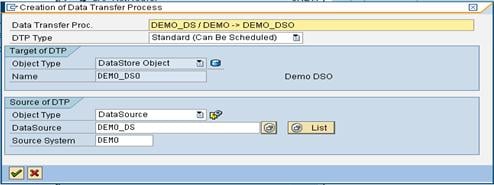
Right-click on the DTP folder and choose Create Data Transfer Process from the context menu.

The screen below shows the DTP created successfully.
Step 4: Create an InfoPackage and Schedule the Data Load
The InfoPackage controls how the flat file is read into the PSA. Schedule it before running the DTP.
- Enter RSA1 in the command prompt.
- Press Enter.
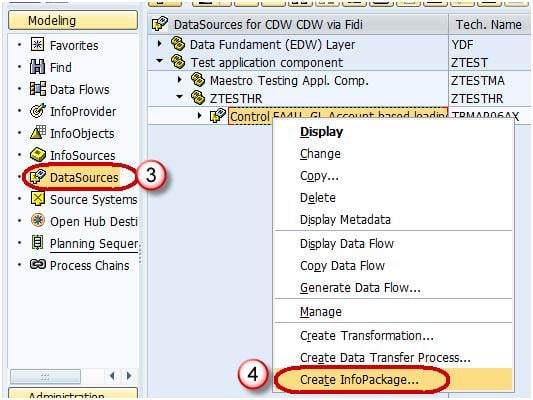
- Navigate to Modeling tab > DataSources.
- Right-click on the DataSource and select Create InfoPackage.
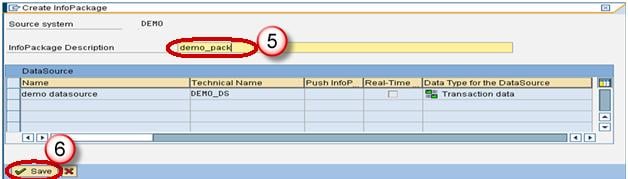
- Enter the InfoPackage Description.
- Click Save.
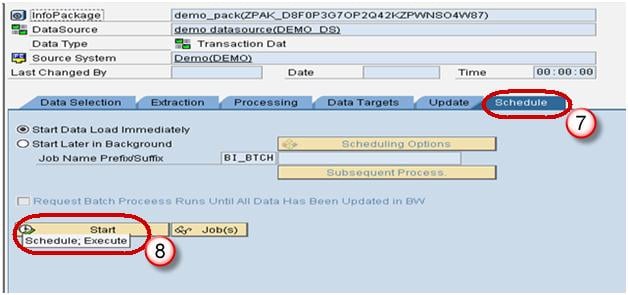
- Click the Schedule tab.
- Click Start to begin the load from the flat file to the DataSource.
Step 5: Load Data to the DSO
The final stage executes the DTP to move records from PSA into the active master data InfoObject.
- Click the Execute tab in the DTP.
- Click the Execute button to start the data load from the DataSource (PSA) into the DSO.

Best Practices for Flat File Master Data Loads
Following a few proven habits keeps flat file loads predictable and easy to troubleshoot in SAP BI/BW.
- Validate the flat file: Ensure the field order, delimiters, and date formats in the file match the DataSource structure before activation.
- Match attribute keys: Verify the key field of the InfoObject is unique in the source file to avoid load rejections.
- Test with small samples: Run the InfoPackage and DTP with a small file first, then scale to full volume after the mapping is confirmed.
- Monitor PSA records: Check the PSA after the InfoPackage run to confirm record counts before triggering the DTP.
- Document the load: Record the Application Component, DataSource, and DTP names so the load can be reproduced or handed over easily.
