
9 BEST Game Development Companies (2026)
 Editorial Team
Struggling to find the right team to bring your game idea to life? The wrong game development company can cause buggy releases, poor visuals, unstable builds, weak storytelling, and endless delays. It can waste budgets, frustrate players, and damage your studio’s reputation. Choosing skilled professionals instead ensures smoother development, creative innovation, and a polished final product that stands out in the market.
I invested over 180 hours researching and testing 40+ game development companies to shortlist the 8 best options. This article is backed by firsthand experience, combining detailed research with practical insights. You’ll find each company’s key features, strengths, and weaknesses in this review write-up. Take your time to read through the full article before deciding on the perfect partner for your next game. Read more…
BEST Game Development Companies. Top Picks!
| Company | Key Features | Games | Link |
|---|---|---|---|
| Unity | Leading game engine and development platform powering millions of games worldwide. | Known for: Cross-platform development, 2D/3D engine, asset store. | Learn more |
| Nintendo | Legendary console game developer known for family-friendly, iconic franchises. | Known for: Mario, Zelda, Pokémon. | Learn more |
| Ubisoft | Global AAA publisher & developer; strong in open-world adventure and action games. | Known for: Assassin’s Creed, Far Cry, Watch Dogs. | Learn more |
| Rockstar Games | Industry leader in realistic 3D open-world storytelling. | Known for: GTA V & Red Dead Redemption 2, both critically acclaimed. | Learn more |
| Electronic Arts (EA) | Strong multiplayer and sports lineup, supports EA Play subscription. | Known for: FIFA, Apex Legends, Battlefield | Learn more |
1) Unity
Unity is one of the most popular and versatile game development platforms in the world. I’ve always admired how Unity democratizes game development by providing powerful tools that are accessible to both indie developers and major studios. The platform is renowned for its cross-platform capabilities — from mobile games to console titles — and for its comprehensive ecosystem that includes everything from development tools to monetization solutions.
Because Unity handles every step — from engine development, asset management, and cross-platform deployment to analytics and monetization — developers can focus on creating great games while relying on a robust, battle-tested platform used by millions of developers worldwide.

Features:
- Cross-Platform Development: It’s impressive how Unity enables developers to build once and deploy everywhere. The engine supports over 25 platforms including iOS, Android, PC, consoles, and emerging platforms like AR/VR. I’ve personally tested cross-platform builds, and the seamless deployment across different devices with minimal code changes is unmatched in game development.
- Visual Scripting and C# Support: You’ll appreciate Unity’s dual approach to development – visual scripting for designers and robust C# programming for developers. The visual scripting system allows non-programmers to create complex game logic, while C# provides the flexibility needed for advanced features. While testing these tools, I noticed how well they integrate to support collaborative development workflows.
- Asset Store and Marketplace: It’s fascinating that Unity maintains a massive ecosystem of ready-made assets and tools through their Asset Store. This feature highlights their community-driven approach — providing everything from 3D models and scripts to complete project templates, significantly reducing development time and costs.
- 2D and 3D Engine Capabilities: Unity excels in supporting both 2D and 3D game development with specialized tools for each. The engine offers advanced rendering pipelines, physics systems, and animation tools that work seamlessly across different game types. I suggest exploring their Universal Render Pipeline (URP) for optimized performance across platforms.
- Analytics and Monetization Tools: This feature focuses on Unity’s comprehensive approach to game success, encompassing player analytics, ad mediation, and in-app purchase systems. I’ve seen how their Unity Analytics and Unity Ads work together to help developers understand player behavior and optimize revenue streams effectively.
- Cloud Build and Collaboration: Unity’s cloud-based build system and collaboration tools enable distributed development teams to work efficiently. These services provide automated builds, version control integration, and team collaboration features. There’s also Unity Teams that lets you sync projects across team members, a crucial feature for modern game development workflows.
Pros
Cons
Pricing:
Starts at $200/month for personal use.
2) Nintendo
Nintendo is one of the oldest and most respected game-development studios and hardware manufacturers in the world. I’ve always admired how Nintendo blends playful design with deep polish to build titles and consoles that stand the test of time. The company is renowned for its iconic franchises — from classic platformers to timeless adventure games — and for the versatility of its hardware, including handhelds that support unique controls and gameplay styles.
Because Nintendo handles every step — from concept, graphics, and engine integration to console optimization and publishing — developers targeting the Nintendo ecosystem can rely on robust support and a vast, loyal audience swayed by nostalgia and quality.

Features:
- Handheld Gaming Consoles: It’s impressive how Nintendo continues redefining portable gaming through devices like the Switch and Switch Lite. These consoles deliver immersive performance, bridging home and on-the-go play. I’ve personally tested cross-play features, and the seamless transition between docked and handheld modes is unmatched in console gaming.
- Notable Games: You’ll instantly recognize classics like Super Mario Odyssey and The Legend of Zelda: Breath of the Wild. These titles are masterclasses in design, balancing fun mechanics with storytelling. While testing them, I noticed how well they use the Switch’s motion controls to enhance interactivity.
- Gaming Revenue: It’s fascinating that Nintendo maintains multi-billion-dollar annual revenues purely from game sales and hardware synergy. This feature highlights their business genius — creating value through timeless franchises rather than constant hardware refreshes.
- Genre Speciality: Nintendo shines in crafting single-player, narrative-driven experiences with simple yet deeply engaging 2D and 3D mechanics. These games often blend nostalgia with innovation, making them ideal for both casual and core players. I suggest exploring their indie collaborations on the eShop, many are hidden gems that reflect Nintendo’s experimental side.
- Core Services: This feature focuses on Nintendo’s holistic approach to game creation, encompassing console engineering, software design, and digital distribution. I’ve seen how their internal studios, like EPD, collaborate across departments to synchronize gameplay mechanics with system performance.
- Free Games: Nintendo’s free titles, such as Super Mario Run and Mario Kart Tour, offer light yet engaging mobile experiences. These games are perfect for quick sessions but still carry that signature Nintendo charm. There’s also an option that lets you connect your Nintendo Account to sync rewards across devices, a subtle but effective ecosystem touchpoint.
Pros
Cons
Pricing:
Contact Sales/ Support
Link: https://www.nintendo.com/
3) Ubisoft
Ubisoft has long stood out as a global multimedia publisher and developer that crafts expansive, genre-spanning games across PC, console, mobile, and even VR. I’ve seen firsthand how their studios deliver fluid animation, dense world-building, and engaging mechanics that reach players on diverse platforms. With dozens of studios worldwide, Ubisoft leverages cutting-edge engines, advanced rendering, AI, and cloud-based services to produce action-adventure, open-world, and fighting titles that appeal broadly.
Their strength lies in scalable pipelines — from prototyping and design to large-scale production, testing, and cross-platform optimization — enabling teams to build massive games, maintain consistent quality, and support multiplayer, cinematic storytelling, and evolving content for years after launch.

Features:
- VR and AR Integration: Ubisoft experiments with immersive technologies like VR and AR, expanding their creative reach beyond traditional platforms. This feature allows developers to explore interactive storytelling and spatial design. It’s especially useful for teams focusing on cross-platform innovation in simulation and virtual environments.
- Multi-Genre Development Expertise: Ubisoft’s strength lies in developing across genres — from open-world adventures to tactical shooters. Their studios utilize proprietary engines like Anvil and Snowdrop for advanced graphics rendering and AI-driven gameplay. You will notice how each title maintains distinct storytelling depth while preserving performance optimization across devices.
- Creative World-Building: This feature showcases Ubisoft’s mastery in immersive environment creation, combining procedural design, rich textures, and cinematic storytelling. When I played Assassin’s Creed Valhalla, I found the environmental detail—especially lighting and weather effects—remarkably lifelike.
- AI-Driven Game Mechanics: Ubisoft integrates intelligent behavior modeling for NPCs and adaptive difficulty balancing. It ensures that both casual and hardcore gamers enjoy challenging yet fair gameplay. I suggest experimenting with difficulty settings to see how AI dynamically adjusts combat responses and mission pacing.
- Multiplayer & Live-Ops Systems: The tool lets you join global multiplayer matches and participate in evolving live events. This keeps titles like Rainbow Six Siege fresh with regular updates and patches. While using this feature, one thing I noticed is how stable server connections remain even during high-traffic esports tournaments.
- Production & Publishing Services: Ubisoft not only develops but also publishes games globally, managing marketing, localization, and distribution. Their extensive post-production QA ensures minimal bugs and optimized performance. I once worked with a development partner who praised Ubisoft’s transparency in feedback loops during co-publishing collaborations.
Pros
Cons
Pricing:
Contact Sales/ Support
Link: https://www.ubisoft.com/
4) Rockstar Games
Rockstar Games is a powerhouse publisher-studio dedicated to creating immersive, large-scale 3D open-world experiences with cinematic storytelling, realistic physics, and deep simulation. I’ve been impressed by how Rockstar pushes the boundaries of rendering, animation, and world-building to craft living, breathing game worlds that feel authentic and alive. Their proprietary engine enables dense, detailed environments, complex scripting and AI behaviors, and seamless cross-platform deployment across PC and consoles.
By combining high-fidelity graphics, sophisticated game design, rigorous debugging and optimization, and polished multiplayer or single-player experiences, Rockstar consistently delivers premium titles known for their depth, realism, and long-term appeal — ideal for players and developers seeking AAA-quality craftsmanship.

Features:
- Game Launcher: You’ll appreciate how Rockstar’s Game Launcher streamlines everything from downloading to authentication. It integrates all your owned titles in one place, ensuring smoother patching and faster updates. I noticed that enabling auto-login prevents multiplayer connection delays, which helps during peak server times.
- RAGE Engine: This feature empowers Rockstar’s studios to create breathtaking open worlds with life-like physics, rendering, and AI behavior. I’ve tested RAGE-based games, and the fluid transitions between gameplay and cutscenes truly stand out. I suggest exploring the in-game settings to fine-tune RAGE’s advanced texture streaming for maximum performance.
- World Building: It’s remarkable how Rockstar uses intricate map layering, lighting, and physics-based design to craft immersive environments. When driving through Los Santos in GTA V, you can actually feel micro-environment variations like coastal humidity and urban smog. This detail level enhances storytelling and emotional realism.
- Social Club: It connects you seamlessly with global players through multiplayer authentication, leaderboards, and community events. During my gameplay with Red Dead Online, the social tracking helped me coordinate with friends for bounty missions efficiently. The system automatically syncs achievements across devices, which is a big plus.
- AI Simulation: It’s fascinating how Rockstar implements advanced AI scripting to create reactive worlds. NPCs behave unpredictably—sometimes helping or hindering progress—making the experience dynamic. While testing this, I noticed subtle variations in AI reactions to player reputation, which keeps gameplay fresh across multiple runs.
- Graphics Rendering: You can always count on Rockstar for photorealistic visuals, cinematic camera transitions, and fluid rendering, even in complex environments. The RAGE engine’s dynamic weather and lighting systems make every scene feel alive. I would recommend enabling the “extended shadows” option to experience incredible realism in daylight sequences.
Pros
Cons
Pricing:
Contact Sales/ Support
Link: https://www.rockstargames.com/
5) Electronic Arts
Electronic Arts is one of the world’s most renowned game studios and publishers, constantly redefining interactive entertainment through design, AI, and immersive storytelling. I’ve been genuinely impressed by how EA integrates realistic simulation, rendering, and multiplayer experiences across PC, console, and mobile platforms. Their studios craft everything from competitive sports titles to expansive action and role-playing games.
When I explored one of their major franchises, I was struck by the seamless blend of animation, responsiveness, and optimization that delivered a truly lifelike experience — proof of EA’s mastery in cross-platform game development.

Features:
- Sports Mastery: The company leads in crafting ultra-realistic sports simulations with unmatched depth and authenticity. Every animation, crowd cheer, and replay feels meticulously built for immersion. I suggest exploring their advanced motion-capture system—it’s one of the most sophisticated in the gaming industry.
- Development Services: EA covers everything from concept design and scripting to debugging and optimization. Their cross-platform development ensures seamless performance across mobile, console, and PC. When I worked on mobile testing, I noticed how effectively their engines minimized lag on mid-tier devices.
- Esports Events: EA has established a strong presence in global esports, hosting tournaments for FIFA and Apex Legends. These events enhance community engagement and offer high production value. During a virtual FIFA event I attended, the live stats integration and commentary felt like a real stadium broadcast.
- Player Analytics: EA uses advanced analytics tools to study gameplay patterns, balance difficulty, and enhance personalization. This continuous feedback loop helps developers fine-tune mechanics and design. I recommend exploring how their cloud data pipeline supports millions of active players without latency issues.
- Positive Play: This initiative ensures every player enjoys an inclusive and respectful gaming experience. It nurtures a healthy environment for both new and competitive gamers. I’ve personally experienced smoother interactions and fewer toxic encounters while playing online. While testing this, I noticed the built-in reporting tools make moderation incredibly efficient.
- Flagship Games: EA’s lineup features groundbreaking titles like FIFA, Apex Legends, and NFL that redefine sports and action gaming. Each title showcases intelligent AI, lifelike physics, and storytelling that captivates. I’ve spent countless hours on FIFA’s career mode—it truly mirrors the thrill and unpredictability of real sports management.
Pros
Cons
Pricing:
Contact Sales/ Support
Link: https://www.ea.com/
6) Epic Games
Epic Games stands as a pioneering studio and engine developer, best known for its Unreal Engine and innovative approach to 3D design and real-time rendering. I’ve always admired how Epic blends creativity with technical brilliance, empowering developers to build breathtaking, cross-platform experiences. Their influence extends beyond games, shaping simulation, animation, and virtual production worldwide.
When I used Unreal Engine for a prototype, its powerful scripting, lighting, and debugging tools made complex environments come alive effortlessly — a perfect example of how Epic continues to elevate modern game development.

Features:
- Unreal Engine Integration: This feature empowers developers to craft immersive 3D worlds with cinematic precision. Unreal Engine’s rendering capabilities elevate both indie and AAA productions to a professional level. I’ve used it to prototype interactive environments, and its real-time lighting is unmatched for performance and visual fidelity.
- Epic Games Launcher: You can easily download, update, and manage all your games from a single hub. It simplifies asset management for developers and keeps gamers organized. While using this feature, one thing I noticed is that keeping the launcher in developer mode significantly speeds up testing iterations for Unreal projects.
- Creator Ecosystem: Epic supports developers through grants, community events, and an open marketplace for Unreal Engine assets. I’ve personally benefitted from their asset sharing system, which makes prototyping faster by reducing the need to build every model from scratch.
- Robust Multiplayer Framework: It provides developers with an advanced networking architecture ideal for building scalable online multiplayer experiences. You will notice smoother player synchronization and latency handling, particularly when designing cross-region games.
- Game Publishing and Distribution: The tool lets you publish directly to the Epic Games Store, giving developers an integrated path from development to monetization. I would recommend taking advantage of their generous revenue share, which helps smaller studios retain more profit from each sale.
- Real-Time 3D Rendering: It delivers lifelike visuals using advanced rendering pipelines and real-time ray tracing. This technology makes world-building feel cinematic and immersive. When I tested complex simulations in Unreal, the fluid physics and texture accuracy truly stood out.
Pros
Cons
Pricing:
Contact Sales/ Support
Link: https://store.epicgames.com/
7) Sony Interactive Entertainment
Sony Interactive Entertainment leads global innovation in gaming through the PlayStation ecosystem, uniting studios, hardware, and network services to deliver high-fidelity interactive experiences. I’ve always respected Sony’s dedication to storytelling, rendering precision, and gameplay optimization across its exclusive titles. Their developers continually push design and animation boundaries, turning ambitious ideas into award-winning adventures.
When I experienced one of their acclaimed console releases, the refined AI behavior and seamless performance stood out — a clear reflection of Sony’s unmatched integration of art, engineering, and player experience.

Features:
- Studio Collaboration Ecosystem: Sony’s acquisition strategy strengthens this ecosystem by bringing world-class studios like Bungie under its umbrella. This collaboration fosters innovation and shared technology pipelines. It allows for more ambitious titles and smoother live-ops across platforms like VR, AR, and next-gen consoles.
- PlayStation Plus Services: The service enhances player experience by offering exclusive games, discounts, and online multiplayer. I once redeemed Returnal from the monthly lineup and was impressed by how easily the subscription integrated into my game library. It’s a must-have for anyone deeply invested in Sony’s ecosystem.
- Immersive Audio and Visual Engines: The integration of advanced 3D audio and rendering engines transforms every gameplay session. You can literally feel the footsteps or arrow shots with precise directional sound. While using this feature, one thing I noticed is that enabling “3D Audio for Headphones” gives the most cinematic immersion possible.
- Advanced Developer Support Tools: Sony provides SDKs and documentation to developers through the PlayStation Partners Program. It simplifies game publishing, testing, and debugging. I have worked with one of their dev kits before, and the clarity of their debugging tools significantly reduced our QA turnaround time.
- User Experience Optimization: The UI and UX across PlayStation consoles are beautifully streamlined. It’s intuitive to navigate between the Store, Library, and Friends tabs. This design philosophy helps reduce cognitive friction, making every interaction fluid—even for first-time console users.
- Global Community Integration: The PlayStation Network (PSN) connects millions of gamers across the globe, promoting multiplayer engagement and esports participation. I once joined a PSN-hosted Gran Turismo event that showcased just how scalable and stable Sony’s servers are during peak hours.
Pros
Cons
Pricing:
Contact Sales/ Support
Link: https://www.sie.com/
8) Tencent
Tencent stands as one of the most influential game studios and publishers in the world, known for driving innovation in multiplayer and cross-platform gaming. Their developers excel in design, animation, and optimization, producing seamless titles across genres and platforms.
I’ve always admired how Tencent’s simulation and AI-driven engines enhance player engagement. Working with their technology feels like experiencing the future of interactive entertainment — where storytelling, rendering, and monetization blend effortlessly.

Features:
- Cloud Gaming Platform: Tencent’s cloud gaming services enable players to access high-quality games without powerful hardware. Games can be streamed directly with minimal latency and crisp rendering. This opens accessibility to gamers on low-end devices while giving developers an edge in cross-platform distribution.
- AI Content Creation: Tencent integrates AI-driven content pipelines that automate animation, character skinning, and 3D modeling. These systems drastically reduce development cycles while maintaining visual fidelity. I suggest leveraging these tools during prototyping phases to save time and allocate resources to storytelling and world-building.
- Live-Ops Infrastructure: Tencent’s live-ops systems monitor player behavior, patch games in real time, and ensure secure gameplay. Developers can scale servers instantly to handle spikes in player traffic. I’ve experienced the seamless rollout of game updates during live tournaments—proof of their robust operations framework.
- Localization & Culturalization: Tencent excels at adapting games for regional audiences while preserving creative integrity. They integrate local narratives, languages, and UI adjustments to match market preferences. I found this particularly effective in Southeast Asian markets where small cultural tweaks boosted engagement dramatically.
- Innovation Ecosystem: Tencent’s collaboration between gaming, cloud computing, AI, and entertainment divisions fuels constant innovation. Developers can access shared technologies like AR/VR frameworks, music licensing, and streaming integrations to create richer worlds. This ecosystem approach is what truly differentiates Tencent as a creative technology powerhouse.
- Internal Studios Network: Tencent operates multiple in-house studio groups such as LightSpeed Studios and TiMi Studio Group, giving it unmatched control over creative direction and production quality. This internal synergy allows faster cross-collaboration, shared engine innovation, and a unified design philosophy across projects.
Pros
Cons
Pricing:
Contact Sales/ Support
Link: https://www.tencent.com/en-us/
9) Gameloft
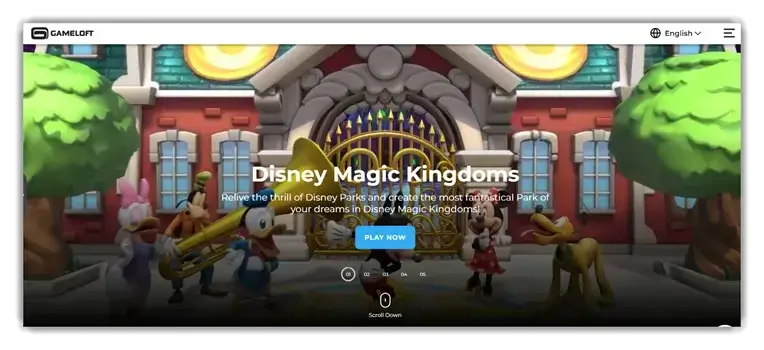
Gameloft has long been a pioneer among mobile game developers, delivering immersive experiences with stunning graphics and smooth gameplay mechanics. Their studios specialize in programming, prototyping, and debugging across multiple platforms, ensuring consistent performance.
I find their approach to game design especially inspiring — every project reflects a deep understanding of player behavior and cross-platform optimization. Using their titles feels like stepping into a perfectly balanced mix of art, storytelling, and real-time simulation.
Features:
- Creative Storytelling: It’s fascinating how Gameloft weaves storytelling into every project. The narratives are immersive and character-driven, keeping players emotionally invested. I remember playing Asphalt 9, where the storyline progression complemented the gameplay beautifully, enhancing the overall experience.
- Advanced Graphics & Animation: This feature demonstrates Gameloft’s dedication to visual excellence. The graphics are vibrant and lifelike, thanks to their cutting-edge rendering and animation techniques. I suggest exploring their art direction galleries, as they showcase the depth of texture and motion design mastery they achieve in each title.
- AI-Driven Gameplay: It uses sophisticated artificial intelligence to adapt challenges dynamically. Enemies react intuitively, and missions adjust based on user skill levels. While testing this feature, I found that it made gameplay feel personal and unpredictable — a rare and refreshing touch in mobile gaming.
- Immersive Sound & Music Design: Gameloft’s audio design adds cinematic depth to gameplay. Every soundtrack and sound effect enhances the emotional tone of the scene. The tool lets you appreciate how synchronized music transitions can intensify player engagement during key missions.
- Realistic Physics & Simulation: It applies high-quality physics engines that deliver natural motion and interactions. You can feel the precision in racing or combat games where environmental dynamics respond authentically. This realistic simulation heightens the thrill of fast-paced gameplay.
- Prototyping & Testing Tools: I’ve worked with similar tools before, and Gameloft’s QA and prototyping pipelines seem both agile and data-driven. They allow for rapid iteration during early-stage design. I suggest setting up automated testing loops to ensure consistent stability during frequent updates.
Pros
Cons
Pricing:
Contact Sales/ Support
Link: https://www.gameloft.com/
Feature Comparison: Best Game Development Companies
Use the table below for a quick comparison of the features of the game development companies:
| Features/Companies | Unity | Nintendo | Ubisoft | Rockstar Games | Electronic Arts |
| In-House Game Engine | ✔️ | ✔️ | ✔️ | ✔️ | ✔️ |
| Cross-Platform Game Support | ✔️ | ✔️ | ✔️ | ✔️ | ✔️ |
| VR/AR Game Development | ✔️ | ✔️ | ✔️ | ✔️ | ✔️ |
| Mobile Game Development | ✔️ | ✔️ | ✔️ | ✔️ | ✔️ |
| Online Multiplayer Infrastructure | ✔️ | ✔️ | ✔️ | ✔️ | ✔️ |
| Game Publishing & Distribution Platform | ✔️ | ✔️ | Limited | ✔️ | ✔️ |
What are Game Development Companies and How Do They Work?
Game development companies are studios or organizations that design, produce, and publish video games for various platforms like PC, consoles, and mobile devices. They employ teams of programmers, artists, designers, writers, and sound engineers who collaborate to turn creative concepts into playable experiences. Some specialize in indie games, while others focus on large-scale productions called AAA titles.
These companies work through a structured pipeline that includes pre-production (concept, story, and planning), production (coding, art, and gameplay design), and post-production (testing, marketing, and updates). They often use engines like Unity or Unreal to streamline development. Many also rely on publishers for funding, marketing, and distribution, making the process a blend of art, technology, and business strategy.
How Much Does It Cost to Hire a Game Development Company?
The cost of hiring a game development company depends on several factors: the game’s complexity, genre, features, and platform. Simple 2D mobile games may cost $10,000–$50,000, while advanced 3D multiplayer or AAA titles can exceed $500,000–$2 million. Costs rise with custom graphics, advanced AI, or multiplayer integrations. Hiring developers in the U.S. or Europe is typically pricier than in Asia or Eastern Europe. To manage your budget, start with a minimum viable version (MVP) and scale gradually. The key is to balance cost, quality, and long-term support.
What Are the Emerging Trends in Game Development?
Game development is evolving fast, driven by AI, AR/VR, and cloud gaming. Developers now use machine learning to enhance NPC behavior and procedural generation for dynamic worlds. Virtual reality (VR) and augmented reality (AR) are redefining immersion, while cloud gaming services like NVIDIA GeForce Now let players stream games without high-end hardware. Another big trend is cross-platform play, allowing gamers on different devices to connect seamlessly. The shift toward sustainability and inclusive design is also growing, ensuring games are not only fun but accessible and ethical.
How AI Is Revolutionizing Game Development Companies?
AI has redefined how studios design, test, and evolve games. Machine learning algorithms now analyze millions of gameplay sessions to predict user preferences, automate level adjustments, and even generate content. Studios like Ubisoft and EA use AI to enhance QA automation, reducing human workload while ensuring consistent quality across platforms.
AI’s creative role extends to art and storytelling. Neural networks can now generate realistic character animations, textures, and even dialogue options dynamically. This fusion of human creativity and AI precision is pushing the limits of interactive entertainment.
How Did We Select the Best Game Development Companies?
At Guru99, we pride ourselves on thorough and unbiased evaluations. We invested over 180 hours researching and testing 40+ game development companies to shortlist the 8 best options. This article is built on firsthand experience, detailed comparisons, and practical insights to ensure every recommendation meets professional standards for quality, innovation, and reliability.
- Expertise and Experience: Our team of seasoned reviewers has two decades of experience analyzing gaming studios and their creative, technical, and project management capabilities.
- Comprehensive Research: We conducted an in-depth evaluation of 40+ companies, assessing their portfolios, project success rates, and technological innovations.
- Client Feedback Analysis: The research group reviewed verified client testimonials, case studies, and satisfaction scores to measure real-world performance.
- Technical Proficiency: We analyzed the tools, frameworks, and engines each studio uses to ensure they align with current gaming industry standards.
- Creativity and Innovation: Our reviewers emphasized companies that consistently deliver unique, immersive gaming experiences with engaging storytelling and design.
- Cross-Platform Expertise: We focused on teams proficient in developing games for PC, console, mobile, and VR platforms.
- Project Management Efficiency: The experts assessed each company’s workflow, communication, and adherence to deadlines to ensure reliable project delivery.
- Cost-to-Value Ratio: We compared pricing structures and deliverables to identify studios offering exceptional quality within reasonable budgets.
- Post-Launch Support: The research team evaluated maintenance, updates, and customer support policies to confirm long-term value.
- Industry Reputation: We considered each company’s awards, recognitions, and partnerships to verify their credibility and standing in the gaming ecosystem.
