
Δοκιμή API ΧΡΗΣΙΜΟΠΟΙΩΝΤΑΣ QTP/UFT: Ολοκληρωμένο σεμινάριο
 Συντακτική ομάδα
⚡ Έξυπνη Σύνοψη
Δοκιμές API σε QTP/UFT Η επικύρωση μιας υπηρεσίας γίνεται απευθείας, χωρίς να εμπλέκεται διεπαφή χρήστη. Μια δοκιμή API δημιουργείται ως μια ροή δραστηριοτήτων σε έναν καμβά και τα σημεία ελέγχου αποφασίζουν εάν κάθε απόκριση είναι επιτυχής.
Πριν από τη δοκιμή ενός API, πρέπει να γνωρίζουμε τι είναι ένα API. Ένα API (Application Programming Interface - Διεπαφή Προγραμματισμού Εφαρμογών) είναι μια συλλογή λειτουργιών και διαδικασιών λογισμικού που μπορούν να εκτελεστούν από άλλες εφαρμογές λογισμικού.
Τι είναι η δοκιμή API;
Δοκιμή API είναι ένα δοκιμές λογισμικού μέθοδος για την επικύρωση Διεπαφών Προγραμματισμού Εφαρμογών (API). Ο στόχος των δοκιμών API είναι να δοκιμαστεί το API όσον αφορά τη λειτουργικότητα, την αξιοπιστία, την ασφάλεια και την απόδοση. Στις δοκιμές API, το λογισμικό χρησιμοποιείται για την αποστολή δεδομένων εισόδου στο API και τα δεδομένα εξόδου καταγράφονται για τον έλεγχο του API.
Έτσι, η δοκιμή API είναι:
- Δοκιμή χωρίς GUI
- Προγραμματική προσομοίωση δεδομένων ή σεναρίων ροής ελέγχου.
- Επικεντρωνομαι σε λειτουργικότητα, όχι στη συμπεριφορά ή την εμπειρία του πελάτη.
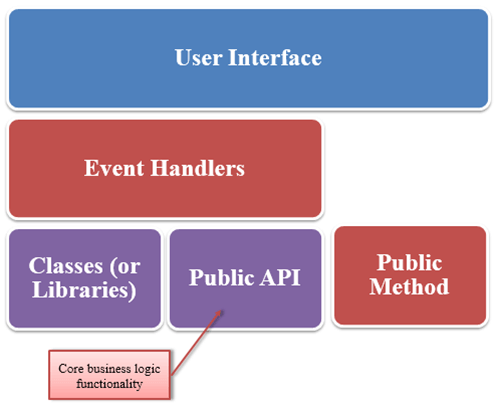
Το παρακάτω διάγραμμα τοποθετεί τις δοκιμές API μεταξύ του πελάτη που καλεί την υπηρεσία και των δεδομένων στα οποία φτάνει.
Γιατί είναι σημαντική η δοκιμή API;
Οι δοκιμές API έχουν τέσσερα σημαντικά πλεονεκτήματα.
1. Η δοκιμή API είναι η τάση
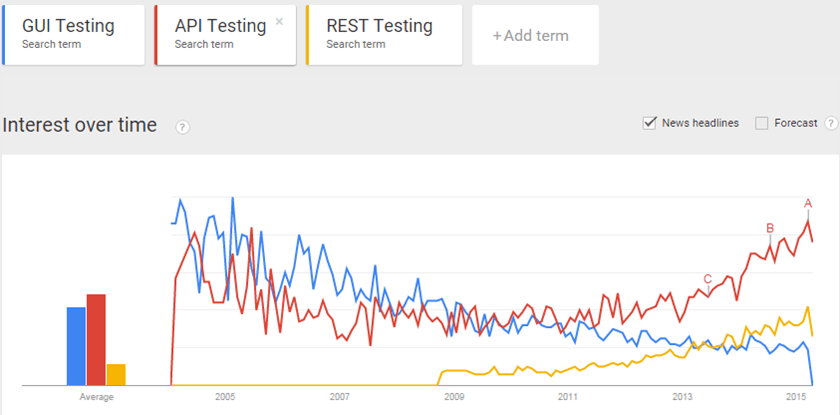
Όπως δείχνει το ακόλουθο σχήμα, οι δοκιμές API έχουν αναπτυχθεί πολύ γρήγορα τα τελευταία δέκα χρόνια. Έχουν γίνει πολύ πιο δημοφιλείς από άλλους τύπους δοκιμών.
2. Χρόνος αποδοτικός
Με το API Testing μπορούμε να χρησιμοποιήσουμε παράλληλη εκτέλεση για να μειώσουμε τον χρόνο εκτέλεσης των δοκιμών. Μπορείτε να εξοικονομήσετε έως και 5 φορές σε σύγκριση με άλλους τύπους δοκιμών.
3. Γλωσσικό ανεξάρτητο
Στη δοκιμή API, τα δεδομένα ανταλλάσσονται μέσω XML or JSON, επομένως οποιαδήποτε γλώσσα μπορεί να χρησιμοποιηθεί για τον έλεγχο της απόκρισης. Για παράδειγμα, εάν έχετε μια υπηρεσία της οποίας η απόκριση είναι σε μορφή JSON, μπορείτε εύκολα να αναλύσετε τα δεδομένα με Java, C# ή οποιαδήποτε άλλη γλώσσα.
4. Εύκολη ενσωμάτωση GUI
Επειδή UFT Κάποιος διατηρεί δοκιμές GUI και δοκιμές API στην ίδια λύση, μια κλήση API μπορεί να ρυθμίσει δεδομένα για μια δοκιμή διεπαφής χρήστη και και τα δύο είδη αναφοράς δοκιμών στα ίδια αποτελέσματα εκτέλεσης. Αυτό διατηρεί έναν έλεγχο υπηρεσίας και την οθόνη που τον καταναλώνει σε ένα έργο αντί για δύο αλυσίδες εργαλείων.
Δοκιμή API με UFT (Ενοποιημένες Λειτουργικές Δοκιμές)
Υπάρχουν πολλά διαθέσιμα εργαλεία, τόσο ανοιχτού κώδικα όσο και εμπορικά. UFT είναι μια ισχυρή επιλογή για την εκτέλεση δοκιμών API, επειδή η ροή δημιουργείται οπτικά και η διαμόρφωση διατηρείται σε ένα παράθυρο ιδιοτήτων.
Η τελευταία έκδοση του QTP, που ονομάζεται HP Unified Λειτουργική δοκιμή (UFT), είναι ένας συνδυασμός HP QTP (ένα εργαλείο δοκιμής GUI) και HP Service Test (ένα εργαλείο δοκιμής API). UFT υποστηρίζει τον Ιστό, Java, .NET, Oracle, Siebel, υπηρεσίες ιστού και πολλές άλλες σημαντικές γλώσσες και πλατφόρμες που δεν υποστηρίζονταν από παλαιότερες εκδόσεις.
⚠️ Ονομασία προϊόντος: το εργαλείο που περιγράφεται εδώ ως HP UFT πωλείται πλέον ως OpenText Λειτουργικές δοκιμές (UFT Ενας), έχοντας περάσει από την HP στο Micro Focus και στη συνέχεια στο OpenTextΟι παρακάτω οθόνες προέρχονται από την έκδοση HP-εποχής, επομένως η διατύπωση του μενού διαφέρει από τις τρέχουσες εκδόσεις, αλλά η ροή δοκιμών, οι δραστηριότητες και τα σημεία ελέγχου του API λειτουργούν με τον ίδιο τρόπο.
Τύπος υποστήριξης δοκιμών API από HP UFT
- υπηρεσία Web
- ΠΕΡΙΦΕΡΕΙΑ
- Αντικειμενοστρεφής γλώσσα
- βάση δεδομένων
- Ιδιόκτητο API
Ξεκινήστε την πρώτη σας δοκιμή API με QTP
Σε αυτήν τη δοκιμή API σε UFT σεμινάριο, θα καλύψουμε UFT Παραδείγματα δοκιμών API. Θα δοκιμάσουμε το Graph API του Facebook. Θα δοκιμάσουμε το API ως Δοκιμαστική θήκη παρακάτω
- Αποκτήστε ένα προφίλ του συγκεκριμένου χρήστη στο Facebook.
- Βεβαιωθείτε ότι το προφίλ είναι σύμφωνα με τις προσδοκίες
Ακολουθεί ένα βήμα για τη δημιουργία μιας δοκιμαστικής ροής για αυτό το API.
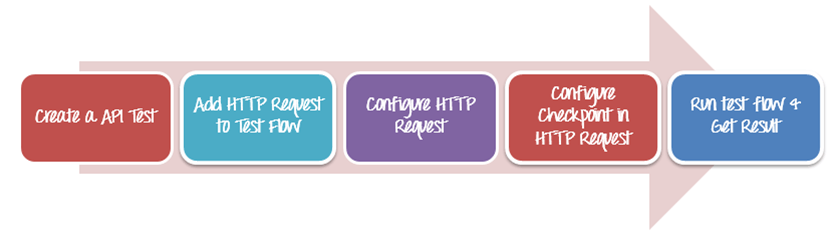
⚠️ Σχετικά με αυτό το παράδειγμα: Το Facebook απέσυρε το Graph API v2.3 πριν από 3 χρόνια και το διακριτικό πρόσβασης που φαίνεται παρακάτω έχει λήξει προ πολλού, επομένως η ακριβής κλήση δεν επιστρέφει πλέον δεδομένα. Το αρχικό αίτημα διατηρείται αμετάβλητο ως το λειτουργικό παράδειγμα. Ακολουθήστε τα ίδια βήματα σε οποιοδήποτε τρέχον τελικό σημείο REST για να ακολουθήσετε.
Βήμα 1) Ανοίξτε HP UFT και δημιουργήστε νέο έργο API Testing
- Επιλέξτε Έναρξη > (Όλα) Προγράμματα > Λογισμικό HP > Ενοποιημένος έλεγχος λειτουργίας HP > Ενοποιημένος έλεγχος λειτουργίας. Στις τρέχουσες εκδόσεις αυτό είναι απλώς το UFT Ένας συντομώτερος δρόμος.

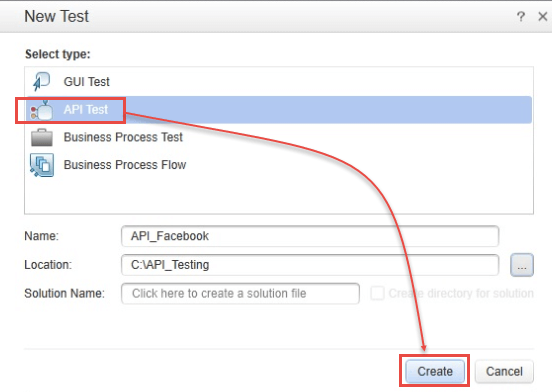
- Πατήστε Αρχείο > Νέο > Δοκιμή. Επιλέξτε το Δοκιμή API τύπος

- Όταν ανοίξει ένα παράθυρο διαλόγου, εισαγάγετε το όνομα της δοκιμής API: API_Facebookκαι επιλέξτε μια τοποθεσία για να αποθηκεύσετε αυτό το έργο. Κάντε κλικ στο δημιουργώ για να δημιουργήσετε το έργο δοκιμής API.


Βήμα 2) Προσθήκη αιτήματος HTTP στη ροή δοκιμής
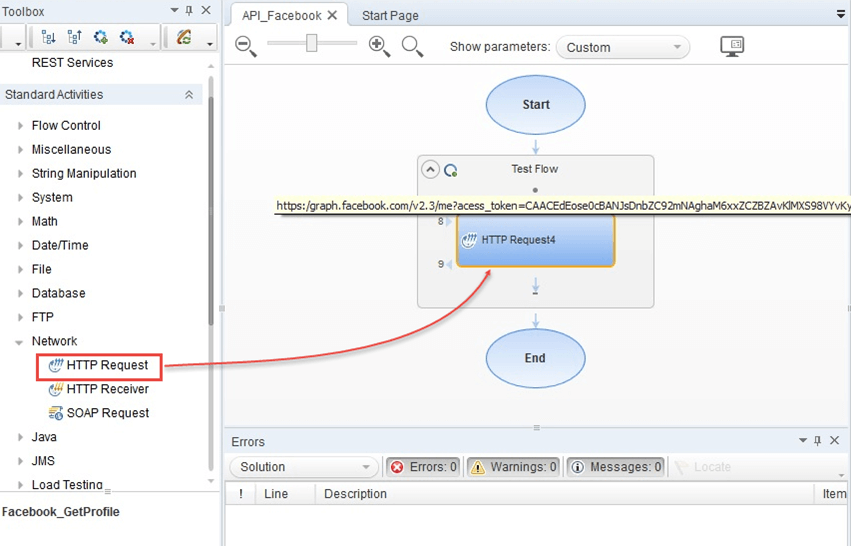
Θα χρησιμοποιήσουμε το HTTP Request για να υποβάλουμε ένα αίτημα στο Facebook API.
- Αγορά Εργαλειοθήκη > Δίκτυο

- Σύρετε το στοιχείο Αίτημα HTTP για δοκιμή ροής.


Βήμα 3) Διαμόρφωση και μεταβίβαση παραμέτρων σε ένα αίτημα HTTP
- Κάντε δεξί κλικ στο Αίτημα HTTP αντίρρηση για την επεξεργασία του.

- Στο τμήμα Ιδιότητες, εισαγάγετε το URL

https://graph.facebook.com/v2.3/me?access_token=CAACEdEose0cBANJsDnbZC92mNAghaM6xxZCZBZAvKlMXS98VYvKy%20OlrfAdsUWR8x5aw9Kqc0grscs9zb9IYED4VC3FwapIZBj%20dsuxy%20HdLcff38gYUBFNeRQlH%20fN7eXKoVZBNl0bR233ZAZCw8fLF1QLh98ry2ZBeYBhXLabtTDkFPZA1IqhaMG0mQp30zO1%20QxQ19nVCxZArJA6XRoB1o5FMepII5cn3DgbBmTgZD
- Μπορείτε επίσης να περάσετε μια παράμετρο στο API ορίζοντας τιμές στο Κεφαλίδα αιτήματος πλέγμα.

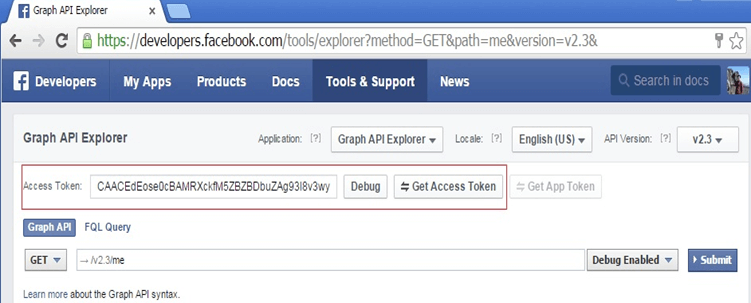
Χρησιμοποιήστε το Graph API Explorer του Facebook για να λάβετε την τιμή access_token.
- Ρυθμίστε το Μέθοδος HTTP προς την ΠΑΡΤΕ.

- Διαμορφώστε Σημεία ελέγχου του Αίτημα HTTPΟρίστε τον κωδικό κατάστασης σε 200 στο τμήμα Σημεία ελέγχου. Τα σημεία ελέγχου σάς επιτρέπουν να δείτε εάν η ενέργεια ήταν επιτυχής χωρίς να χρειάζεται να ελέγξετε το αποτέλεσμα χειροκίνητα και η ετυμηγορία επιτυχίας ή αποτυχίας της δοκιμής καθορίζεται από αυτά. Ένας κωδικός κατάστασης 200 σημαίνει ότι η δοκιμή έχει περάσει με επιτυχία.




Βήμα 4) Εκτελέστε τη δοκιμή
Κάντε κλικ στο τρέξιμο κουμπί ή πατήστε F5, για να ανοίξετε το παράθυρο διαλόγου Εκτέλεση δοκιμής. Κάντε κλικ στο τρέξιμο για να μεταγλωττίσετε και να εκτελέσετε τη δοκιμή.

Βήμα 5) Δείτε το αποτέλεσμα
Ανοίγει το πρόγραμμα προβολής αποτελεσμάτων εκτέλεσης. Σε αυτήν τη δοκιμή API χρησιμοποιώντας UFT Για παράδειγμα, μια αποτυχημένη δοκιμαστική περίπτωση αναφέρεται όπως στο ακόλουθο σχήμα.

Όταν η δοκιμαστική περίπτωση περάσει με επιτυχία, το αποτέλεσμα αναφέρεται ως εξής.

Η πρώτη σας δοκιμή API στο UFT είναι πλέον ολοκληρωμένο.
Πού να πάω από εδώ
Τώρα που μάθατε να δημιουργείτε μια δοκιμή με μια δοκιμή API στο UFT, μπορείτε να δημιουργήσετε τη δική σας δοκιμή για την εφαρμογή σας χωρίς γραφικό περιβάλλον χρήστη. Η προσθήκη ενός οδοφράγματος ανά απάντηση και ομάδαping καλεί σε συναλλαγές είναι τα συνήθη επόμενα βήματα.
